The Practical Advantages of Porcelain Crowns According to a Family Dentist
By Dr. Thang Do | August 18, 2026
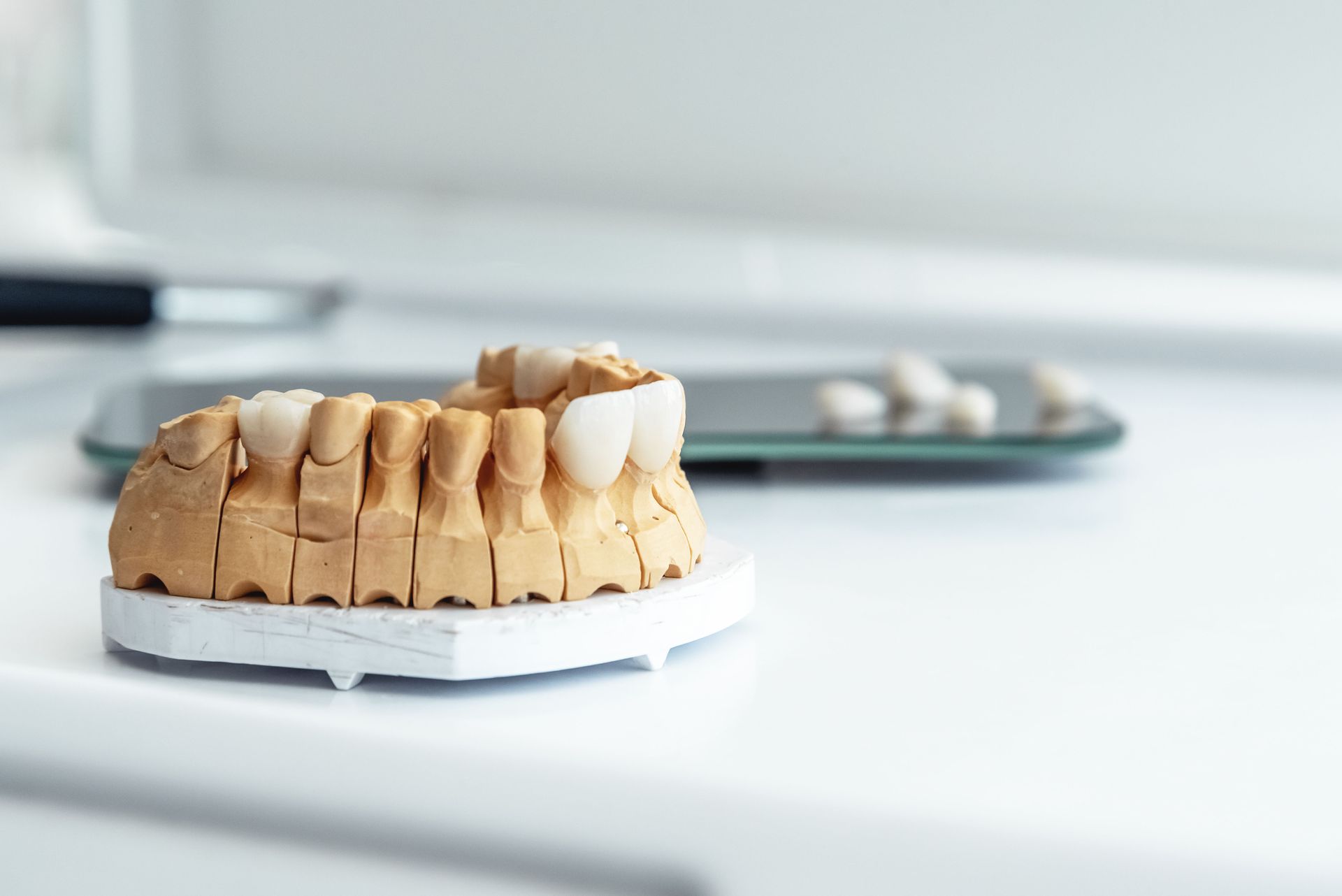
Porcelain crowns can provide an effective way to restore teeth that are damaged, weakened, discolored, or otherwise affecting the appearance and function of a smile. Unlike restorations that are primarily designed to address one concern, crowns can combine cosmetic improvement with structural support. Their tooth-like appearance also makes them a practical option for patients who want their restorations to blend naturally with their surrounding teeth. A family dentist can evaluate the condition of an affected tooth and determine whether a porcelain crown is appropriate based on its health, function, and appearance.
The demand for dental crowns also reflects their established role in restorative care. According to Fortune Business Insights, the worldwide dental crowns market was worth USD 3.37 billion in 2025. This figure illustrates the broad use of crowns as part of modern dental treatment. While every patient's needs are different, porcelain crowns offer several practical advantages that can make them an appealing restorative option when a tooth requires significant coverage or protection.
Combining Cosmetic Appeal With Functional Restoration
Natural-Looking Appearance
One of the most notable advantages of porcelain crowns is their ability to closely resemble natural tooth enamel. Porcelain can be designed to reflect light in a way that creates a realistic appearance, while the shade can be selected to complement the patient's surrounding teeth. This makes porcelain particularly useful when restoring teeth that are visible when smiling or speaking. A family dentist can consider the color, shape, size, and position of the restoration when developing a treatment plan. Rather than simply covering a damaged tooth, the goal is to create a restoration that fits naturally within the overall smile.
Support for Damaged Teeth
A severely weakened tooth may be vulnerable to additional damage when exposed to normal biting and chewing forces. A crown covers much of the visible portion of the tooth, providing a protective layer around the remaining structure. This can help restore the tooth's ability to participate in everyday oral function when enough healthy tooth structure remains to support the restoration. Patients with cracked, extensively decayed, or heavily restored teeth may benefit from an evaluation to determine whether a crown could provide the necessary coverage. A dentist can assess the tooth and surrounding tissues before recommending this approach.
Improved Smile Function
Restoring a damaged tooth is not solely about improving its appearance. A compromised tooth can affect how a person bites, chews, or brings the upper and lower teeth together. A properly designed crown can help restore the shape and contours necessary for normal function. It may also help prevent a damaged tooth from interfering with surrounding teeth. During treatment planning, a family dentist can evaluate the patient's bite and consider how the crown will interact with adjacent and opposing teeth. This attention to function can make the restoration more comfortable for everyday activities such as eating and speaking.
Recognizing the Practical Benefits of Porcelain Crown Treatment
Durability With Proper Care
Porcelain crowns are designed to withstand the routine forces associated with biting and chewing. Their durability makes them a practical choice for restoring teeth that need substantial coverage. However, no dental restoration is indestructible, and its longevity depends partly on oral hygiene, bite forces, diet, and regular dental care. Patients can help protect their crowns by brushing and flossing consistently and attending recommended dental appointments. A dentist can also monitor the condition of a crown over time and identify signs of wear, damage, or changes around the restored tooth.
Customized to the Individual Smile
Every patient's teeth have different proportions, shades, contours, and spacing, so a restoration should not be treated as a one-size-fits-all solution. Porcelain crowns can be customized to suit the characteristics of the individual tooth and the surrounding smile. The dentist can consider factors such as tooth color, shape, alignment, and bite when planning the restoration. This individualized approach is especially important for visible teeth, where small differences in shape or shade may be noticeable. Working with a family dentist also allows crown treatment to be considered within the context of the patient's broader oral health and existing dental work.
Potentially Efficient Treatment
For patients dealing with a significantly damaged tooth, leaving the problem untreated may allow the condition to become more complicated. Depending on the tooth's condition and the treatment plan, a crown can provide a relatively straightforward way to restore coverage and function once the underlying issue has been addressed. The treatment process generally involves evaluating the tooth, preparing it for the restoration, creating or obtaining the crown, and placing it securely. The exact timeline varies according to the patient's circumstances and the type of restoration being used. A dentist can explain each stage before treatment begins so patients understand what to expect.
Protecting Oral Health and Supporting Long-Term Results
Addressing Underlying Dental Problems
A porcelain crown is not intended to simply conceal a dental problem. Before placing one, the dentist must determine whether the tooth and surrounding tissues are healthy enough to support the restoration. Decay, infection, fractures, or other concerns may need to be treated first. Addressing these issues is essential because placing a crown over an unresolved problem may compromise the outcome. A thorough examination allows a family dentist to determine whether a crown is appropriate or whether another treatment would better address the patient's needs. This evaluation also helps ensure that cosmetic goals do not take priority over oral health.
Making Daily Oral Hygiene Important
A crowned tooth still requires regular care. Although the crown itself cannot develop tooth decay, the natural tooth structure surrounding and supporting it remains susceptible to plaque, bacteria, and gum disease. Brushing twice a day, cleaning between the teeth, and maintaining routine dental appointments can help protect the tissues around the restoration. Patients should also follow any individualized recommendations regarding cleaning techniques or foods that could place excessive stress on the crown. A family dentist can provide guidance based on the patient's oral health, restoration, and habits, helping them maintain both the crown and the natural structures around it.
Supporting a More Complete Smile Rehabilitation
Porcelain crowns can also play a role in broader restorative treatment plans. When several teeth have been damaged, significantly worn, or lost, crowns may be combined with other restorative options to improve both function and appearance. Depending on the circumstances, treatment could involve crowns, bridges, veneers, dentures, or other dental procedures. The appropriate combination depends on the patient's oral health and goals rather than simply the appearance of individual teeth. A family dentist can evaluate the entire smile and develop a coordinated plan when multiple concerns need to be addressed.
Ultimately, porcelain crowns can offer a practical combination of appearance, protection, and restored function for appropriately selected patients. They can help reinforce damaged teeth while providing a customized appearance that complements the surrounding smile. With proper oral hygiene and professional maintenance, they can also remain an important part of a long-term restorative treatment plan. If you are considering a crown for a damaged or weakened tooth, a consultation with a family dentist can help you understand whether porcelain is the right material for your specific needs.
If you are considering porcelain crowns, contact Madison Square Dentistry today to schedule a consultation and discover the right restorative solution for your smile.

Share On: