Understanding the Growing Popularity of Affordable Dental Implants
By Dr. Thang Do | October 22, 2026
The field of dental restoration has undergone a remarkable transformation over recent decades, shifting smoothly from rudimentary historical practices to state-of-the-art clinical procedures. Today, modern technology and continuous clinical innovation have rendered permanent tooth replacement solutions increasingly accessible, dependable, and comfortable for the general public. As patient demand continues to rise, the widespread availability of affordable dental implants has emerged as a primary catalyst driving global market growth and transforming smiles worldwide. This comprehensive guide examines the primary factors influencing the adoption of these restorative solutions, highlighting how cost-effectiveness, clinical safety, and technological refinement intersect to improve overall patient outcomes.
Evolving Modern Dental Restoration Practices
Tooth replacement concepts have existed across various cultures for centuries, but recent decades have witnessed unprecedented progress in clinical application and predictability. Early attempts at artificial tooth integration lacked long-term stability, structural integrity, and fundamental biological compatibility. The discovery of osseointegration, the physiological process by which living jawbone tissue securely fuses with specialized artificial materials, revolutionized the field, establishing a reliable foundation for permanent dental prosthetics. This biological breakthrough successfully transitioned modern implantology from experimental procedures into standard, highly predictable oral healthcare solutions used daily by practitioners globally.
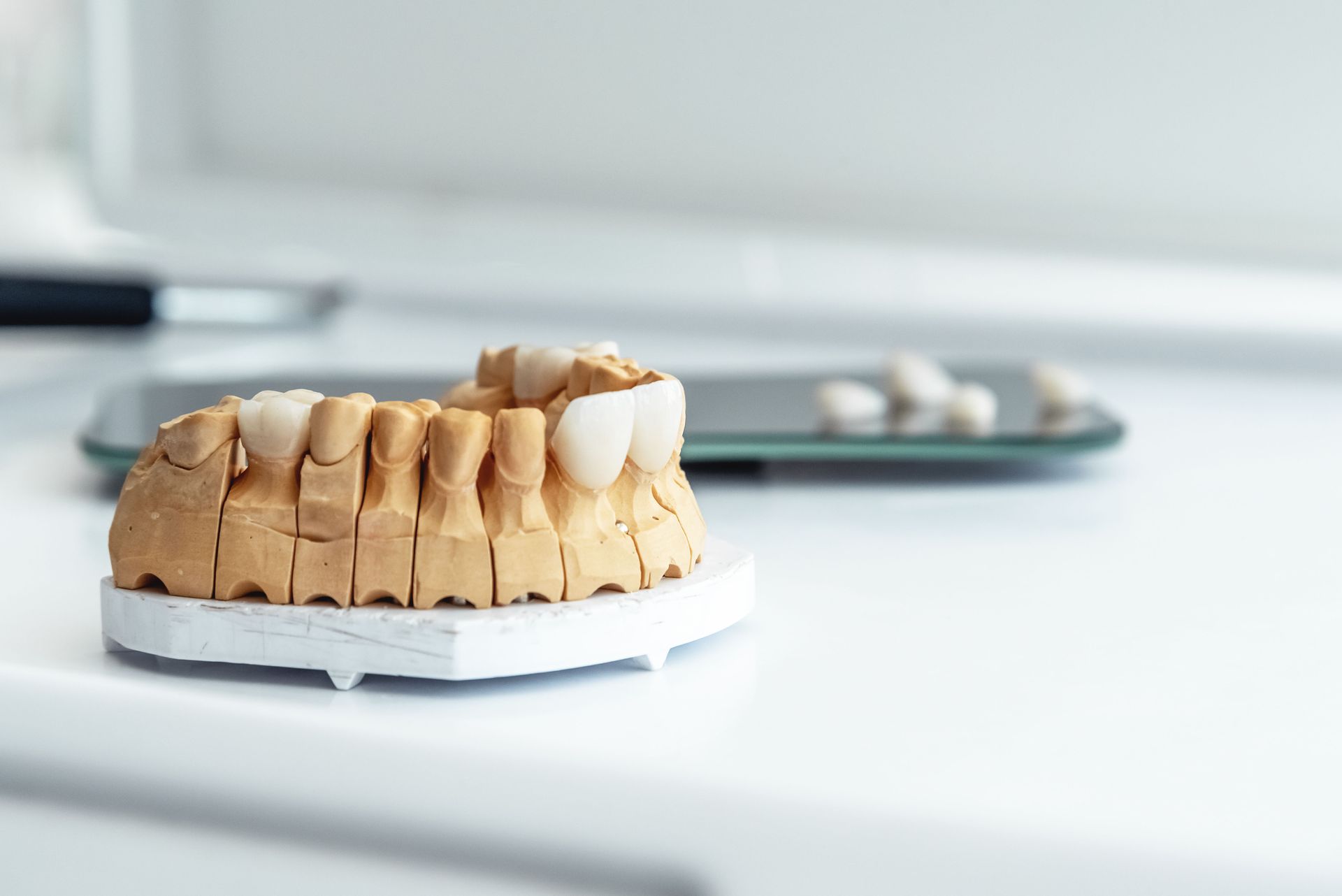
Technological integration has streamlined diagnostic and surgical protocols, drastically improving practitioner efficiency and treatment outcomes. High-resolution 3D Cone Beam Computed Tomography (CBCT) provides precise anatomical mapping, allowing clinicians to evaluate bone density and plan ideal placements with exceptional accuracy before making a surgical incision. Furthermore, computer-aided design and manufacturing (CAD/CAM) allow highly customized prosthetic components to be produced rapidly and accurately. By minimizing chair time, improving precision, and reducing overall procedural complexity, these advanced diagnostic and manufacturing tools help clinicians offer affordable dental implants without compromising rigorous treatment standards.
Material science has progressed alongside diagnostic technology to maximize both functional longevity and tissue health. While pure titanium remains the structural benchmark due to its superior biocompatibility and high strength, modern ceramic and zirconia alternatives provide exceptional mechanical performance alongside natural aesthetics. Regulatory bodies maintain stringent safety standards, ensuring that manufacturing advancements yield reliable, long-lasting implants for patients of all ages. Consequently, as clinical acceptance expands globally, increased competition among material suppliers helps keep procedural costs manageable and predictable for prospective patients.
Analyzing Economic Drivers of Procedure Affordability
The decreasing cost of permanent oral restoration is largely rooted in modern manufacturing practices and automated supply chains. Advanced production methods, including medical-grade 3D printing and precision milling, have streamlined component fabrication while drastically reducing raw material waste. Custom abutments, temporary crowns, and surgical guides can now be produced on demand at a fraction of historical expenses. According to Forbes, 23% of Americans will have dental implants by the end of 2026, illustrating how streamlined production and broader availability directly expand patient access to essential restorative care.
Market dynamics also play a significant role in lowering financial barriers for individuals seeking treatment options. As consumer demand grows, new verified manufacturers enter the global supply chain, fostering robust competition that exerts downward pressure on unit pricing. Dental clinics benefit directly from these economies of scale, purchasing hardware components in larger quantities and passing those direct savings along to patients. Furthermore, refined clinical protocols allow dentists to perform procedures in significantly less time, reducing office overhead costs associated with extended surgical appointments.
Financial accessibility is further supported by evolving payment frameworks and modern billing options within dental medicine. Recognizing the extensive long-term health benefits of full-mouth restoration, a growing number of commercial insurance plans now provide partial coverage for implant procedures. Additionally, third-party patient financing companies and structured in-house clinic payment plans allow individuals to budget for comprehensive treatment over time. This enhanced financial flexibility makes securing high-quality, affordable dental implants a practical, realistic option for a significantly broader demographic.
Evaluating Health and Restorative Benefits
Beyond cosmetic enhancements and personal confidence, permanent prosthetics deliver vital physiological advantages to oral health. When a tooth is lost, the underlying jawbone naturally begins to resorb and deteriorate due to a lack of necessary mechanical stimulation. Dental implants act as resilient artificial roots, stimulating the bone tissue during chewing and effectively preserving the natural facial structure. By maintaining structural integrity, these prosthetics prevent neighboring teeth from shifting out of alignment, thereby reducing the risk of periodontal disease, bite misalignment, and costly long-term restorative expenses.
Functional restoration represents another essential advantage of permanent oral prosthetics compared to temporary alternatives. Unlike traditional removable appliances that can slip, click, or restrict dietary choices, fixed implants fully restore biting force and chewing efficiency. Patients can comfortably consume a diverse, nutrient-dense diet without experiencing discomfort or embarrassment, directly supporting digestive health and systemic wellness. Clear, natural speech articulation is also completely restored, allowing individuals to converse effortlessly without worrying about prosthetic displacement or appliance movement during conversation.
The long-term value proposition of permanent prosthetics remains unmatched across all categories of restorative dentistry. With proper home oral hygiene and routine professional maintenance, high-grade titanium and ceramic root replacements can easily last a lifetime, unlike traditional fixed bridges or removable dentures that require periodic adjustment or replacement. This inherent durability makes investing in affordable dental implants a financially prudent long-term choice, continually enhancing overall quality of life, oral functionality, and self-confidence for many years to come.
Examining Public Perception and Education Trends
Public awareness regarding comprehensive oral health and wellness has expanded significantly in recent years. Patients increasingly recognize that untreated missing teeth impact far more than personal appearance; unaddressed tooth loss adversely affects systemic health, nutrient absorption, and long-term jawbone density. Modern consumers proactively research advanced treatment options online, seeking permanent, durable solutions rather than quick, temporary fixes. This educational shift among patients has firmly established permanent prosthetics as a standard, primary treatment choice rather than an exclusive luxury service.
Digital communication channels have demystified complex dental procedures for the general public, making information widely available. Social media platforms, educational healthcare blogs, and targeted digital advertising allow reputable dental practices to share real before-and-after transformations, authentic patient testimonials, and clear step-by-step procedure explanations. Transparent communication effectively reduces treatment anxiety and helps prospective patients fully grasp the long-term biological benefits of care, actively encouraging them to schedule professional consultations for affordable dental implants.
Professional dental associations and community health organizations also drive public understanding through targeted outreach and educational materials. Seminars, public health campaigns, and transparent clinical research help dispel common misconceptions regarding surgical discomfort, recovery timelines, and overall procedural costs. As positive word-of-mouth recommendations spread from satisfied patients to friends, family members, and colleagues, public confidence in modern implantology continues to grow steadily, accelerating widespread acceptance across diverse demographics and age groups.
Navigating Risks and Ensuring Care Quality
While permanent restorative procedures boast exceptionally high overall success rates, thoroughly understanding potential surgical risks remains essential for informed consent. Complications such as localized infection, peri-implantitis, nerve sensitivity, or sinus floor involvement can occasionally occur if pre-surgical planning, bone assessment, or post-operative hygiene protocols are insufficient. Clinicians must conduct rigorous medical evaluations, including comprehensive bone density assessments, to effectively minimize surgical risks and guarantee long-term tissue integration and stability.
Practitioner skill and continuous clinical education are paramount to achieving consistently predictable, aesthetic treatment outcomes. Placing prosthetics accurately requires extensive expertise in oral anatomy, precise bone grafting techniques, soft tissue management, and occlusion dynamics. Dentists must actively pursue post-graduate training and stay fully updated on evolving digital technologies to deliver optimal results. Patients seeking affordable dental implants should always prioritize clinician credentials, verified training, and extensive treatment experience over discounted promotional pricing alone.
Continuous advancements in medical technology, improved global manufacturing processes, and flexible financing options continue to make permanent oral restoration widely accessible to patients everywhere. By effectively addressing structural missing-tooth issues with resilient, long-lasting solutions, individuals can protect their systemic health, restore complete chewing functionality, and regain complete confidence in their smiles. For more information about the services that we offer, reach out to our incredible team at Madison Square Dentistry today!
Share On: