Is Zirconia the Next Big Alternative to Titanium in Affordable Dental Implants?
By Dr. Thang Do | November 7, 2026
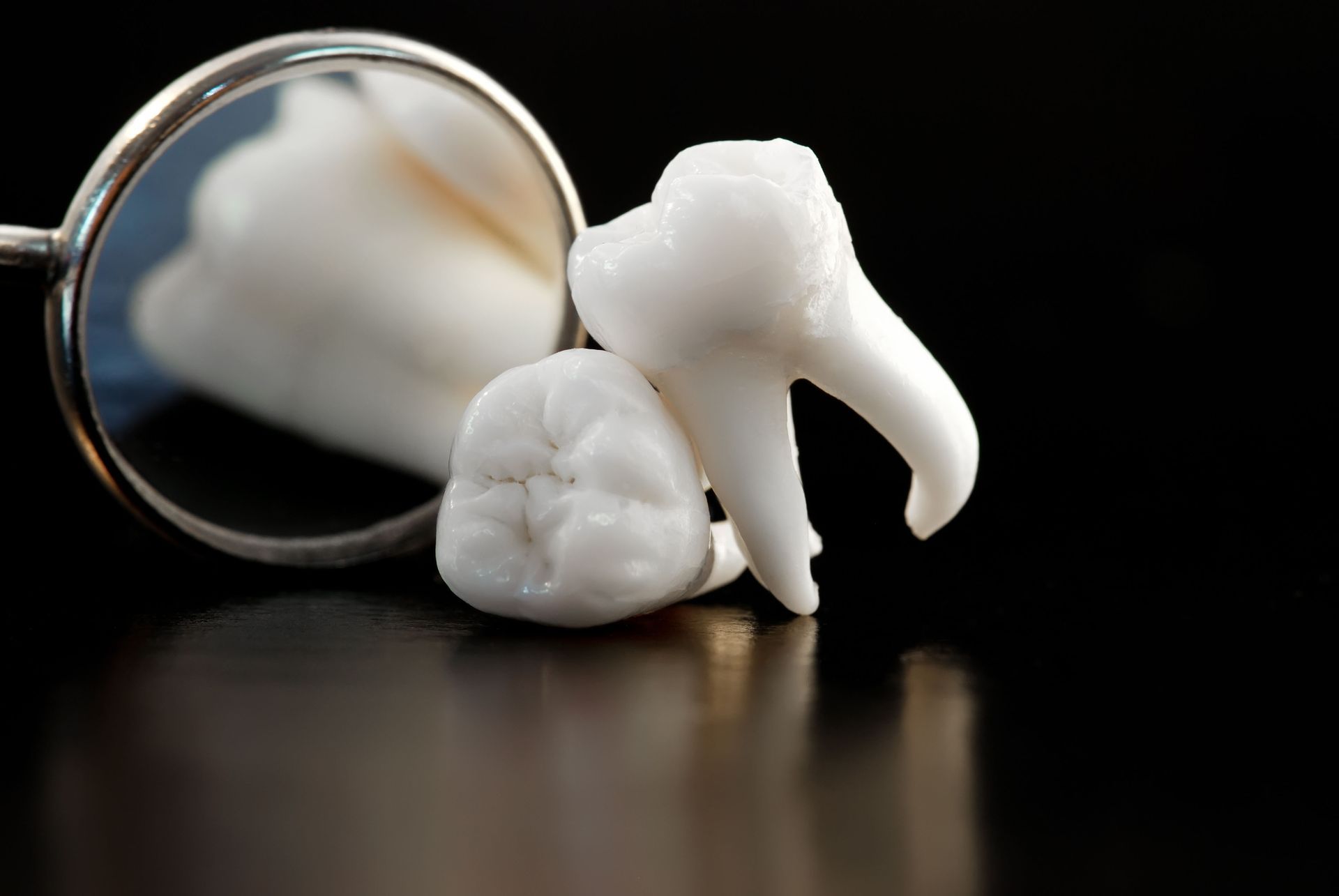
Dental implants have transformed restorative dentistry by offering patients a durable, natural-looking solution for missing teeth. For decades, titanium has been the preferred material for dental implants because of its strength, reliability, and ability to integrate with the jawbone. However, advancements in dental technology have introduced alternative materials that may provide additional benefits for certain patients. Zirconia, a ceramic material known for its durability and tooth-like appearance, is gaining attention as a potential alternative.
As patients explore affordable dental implants, understanding the differences between zirconia and titanium becomes increasingly important. Both materials offer advantages, but their suitability depends on individual oral health needs, aesthetic preferences, and treatment considerations. Examining their characteristics can help patients make informed decisions about restoring their smiles.
Understanding the Growing Interest in Zirconia Implants
The dental implant industry continues to evolve as patients seek restorative treatments that combine functionality, aesthetics, and long-term value. According to iMarc Group, the United States dental implants market was valued at approximately USD 1.4 billion in 2025. This significant market activity reflects the importance of implant dentistry and the continued interest in solutions for replacing missing teeth.
Zirconia has attracted attention because it offers a metal-free alternative to traditional titanium implants. Its ceramic composition appeals to patients who prefer materials that resemble natural teeth or wish to avoid metal-based restorations.
Additionally, advancements in manufacturing have improved the design and availability of zirconia implants. While titanium remains widely used, zirconia is becoming an increasingly relevant option in discussions about modern restorative dentistry.
Comparing the Strength and Durability of Implant Materials
Durability is an essential consideration when choosing dental implants because restorations must withstand everyday activities such as chewing and speaking. Titanium has a long history of successful clinical use and is recognized for its strength, corrosion resistance, and ability to support functional restorations.
Zirconia also offers considerable strength, making it suitable for certain dental implant applications. Its ceramic structure provides resistance to wear and corrosion while maintaining an appearance similar to natural tooth enamel.
However, the materials respond differently to mechanical stress. Titanium has some flexibility, allowing it to tolerate certain forces without fracturing. Zirconia is more rigid and can be vulnerable to fracture under unfavorable loading conditions.
These differences do not automatically make either material superior. Implant placement, restoration design, bite alignment, and individual oral health conditions all influence long-term performance.
Exploring the Aesthetic Advantages of Zirconia Implants
Appearance plays an important role in dental restoration, particularly when replacing teeth in highly visible areas. Patients often want implants that blend naturally with surrounding teeth and gums without creating noticeable differences in color.
Zirconia offers an aesthetic advantage because its white ceramic composition closely resembles natural tooth structures. Unlike titanium, which has a metallic gray appearance, zirconia may be less noticeable beneath thin or delicate gum tissue.
This characteristic can be especially beneficial for patients with a thin gingival biotype, where underlying implant materials may influence the appearance of the surrounding gums.
Titanium implants can also produce excellent aesthetic results when properly planned and restored. Modern implant components and restorative materials allow dental professionals to create natural-looking smiles using traditional titanium systems.
Nevertheless, zirconia provides an additional option for patients who prioritize metal-free restorations and favorable gum aesthetics.
Examining the Biocompatibility of Zirconia and Titanium
Biocompatibility describes how well a material interacts with living tissues without causing unacceptable biological reactions. This characteristic is particularly important for dental implants because they remain in direct contact with bone and surrounding oral tissues.
Titanium has demonstrated excellent biocompatibility through decades of clinical use. Its ability to support osseointegration, the process through which bone forms a stable connection with an implant surface, contributes to its widespread acceptance in implant dentistry.
Zirconia is also considered biocompatible and can support successful osseointegration under appropriate conditions. Its ceramic surface has attracted research interest regarding bacterial adhesion, soft tissue response, and inflammation around implant restorations.
Although titanium sensitivity is uncommon, certain patients express concerns about metal exposure or prefer ceramic alternatives for personal reasons. Zirconia may offer an option when clinical circumstances support its use.
Evaluating the Long-Term Success of Zirconia Implants
Long-term success is among the most important factors when selecting dental implant materials. Patients want restorations that remain functional, comfortable, and aesthetically pleasing over time.
Titanium implants have extensive clinical research supporting their effectiveness across a broad range of restorative applications. Their established track record provides dental professionals with substantial information about expected performance and potential complications.
Zirconia implants have also demonstrated promising clinical outcomes, particularly in appropriately selected patients. However, the available long-term evidence is less extensive than the research supporting titanium systems.
Differences in implant designs and manufacturing processes can make direct comparisons challenging. Some zirconia systems use integrated implant and abutment structures, while other designs provide additional restorative flexibility.
When considering affordable dental implants, patients should ask about the clinical evidence supporting the recommended implant system. Understanding expected longevity, maintenance requirements, and potential limitations can help patients evaluate the overall value of their treatment.
Considering the Cost Differences Between Implant Options
Affordability often influences decisions about restorative dental care. Although zirconia offers several potential benefits, its pricing may differ from that of traditional titanium implants.
Titanium systems are widely available and supported by an established manufacturing and clinical infrastructure. This availability can provide dental practices with numerous implant options across different treatment requirements.
Zirconia implants may involve higher material or manufacturing costs, depending on the system selected. Specialized components, treatment complexity, and provider experience can also influence the overall expense.
However, implant material represents only part of the total treatment cost. Diagnostic imaging, surgical placement, restorative components, bone grafting when necessary, and follow-up care may all contribute to the final investment.
Patients seeking affordable dental implants should evaluate comprehensive treatment plans rather than focusing exclusively on the initial price of the implant itself.
A lower upfront cost does not necessarily represent better long-term value if additional procedures or restorative adjustments become necessary. Similarly, a more expensive material does not automatically guarantee superior outcomes.
Transparent discussions about treatment options, anticipated expenses, and available payment arrangements can help patients make financially informed decisions without compromising appropriate dental care.
Determining Which Implant Material Fits Individual Needs
Selecting between zirconia and titanium requires a personalized approach. Every patient has unique oral health conditions, aesthetic expectations, and restorative goals that influence the recommended treatment.
Dental professionals consider factors such as jawbone quality, gum tissue characteristics, bite forces, and the location of missing teeth. These details help determine which implant material and design may provide predictable results.
Patients replacing highly visible teeth may place greater importance on the ceramic appearance of zirconia. Others may benefit from the extensive clinical history and restorative versatility associated with titanium implants.
Lifestyle considerations, existing dental conditions, and future maintenance requirements can also influence material selection.
For patients interested in affordable dental implants, a comprehensive consultation provides an opportunity to discuss these considerations and compare appropriate treatment options.
Rather than viewing zirconia as a universal replacement for titanium, patients should recognize that both materials have meaningful roles in contemporary implant dentistry.
Recognizing the Future of Dental Implant Technology
Zirconia represents an important development in restorative dentistry, particularly for patients interested in metal-free materials and natural-looking results. Its biocompatibility, aesthetic characteristics, and promising clinical performance make it a valuable alternative in suitable cases.
However, titanium continues to offer significant advantages through its extensive research history, restorative flexibility, and established clinical performance. Current evidence does not support replacing titanium with zirconia for every patient.
As implant technology advances, improvements in ceramic manufacturing, surface treatments, and restoration designs may expand the applications of zirconia implants.
Ultimately, choosing between these materials requires balancing appearance, durability, clinical evidence, and affordability. Individualized treatment planning remains essential for achieving successful outcomes.
At Madison Square Dentistry, we understand that replacing missing teeth is an important investment in your oral health, confidence, and quality of life. Our team can help you explore available restorative solutions and understand the factors that influence implant treatment.
We believe patients deserve clear information about their options before making decisions about their smiles. Contact us today to schedule a consultation and discuss affordable dental implants that align with your dental needs, aesthetic preferences, and treatment goals.
Share On: