Comparing Braces and Clear Aligners: Which Is Right for You?
By Dr. Thang Do | October 23, 2026
Choosing between braces and clear aligners is an important step toward improving your smile and maintaining good oral health. Both orthodontic treatments can correct misaligned teeth, close gaps, and address bite problems, but they differ in appearance, maintenance, and daily comfort. Understanding these differences can help you determine which option best fits your lifestyle, budget, and dental needs. A consultation with a local dentist can help you evaluate your options and develop a treatment plan suited to your goals.
Understanding the Differences Between Braces and Clear Aligners
How Traditional Braces Correct Misaligned Teeth
Traditional braces use brackets attached to the teeth and a connecting wire to apply controlled pressure that gradually moves teeth into their proper positions. Your orthodontic provider adjusts the appliance throughout treatment to guide tooth movement and address alignment concerns. Metal braces are a common choice, while ceramic braces offer a less noticeable alternative with brackets designed to blend more closely with natural tooth color.
One of the main advantages of braces is their ability to address a wide range of orthodontic concerns. They can correct crowded teeth, spaces, and overbites, including many complex cases that require precise control over tooth movement. Because braces remain attached to the teeth, patients do not need to remember to put them back in after meals or throughout the day. A local dentist can evaluate your bite and determine whether traditional braces are appropriate for your particular alignment needs.
However, braces require adjustments to certain daily habits. Patients need to avoid hard, sticky, or chewy foods that could damage brackets or wires. Cleaning also takes additional effort because food particles and plaque can accumulate around the appliance. Brushing carefully and using appropriate tools to clean between teeth help maintain healthy gums and enamel during treatment. Although braces may initially cause soreness or irritation, these effects generally become easier to manage as the mouth adjusts.
How Clear Aligners Gradually Straighten Teeth
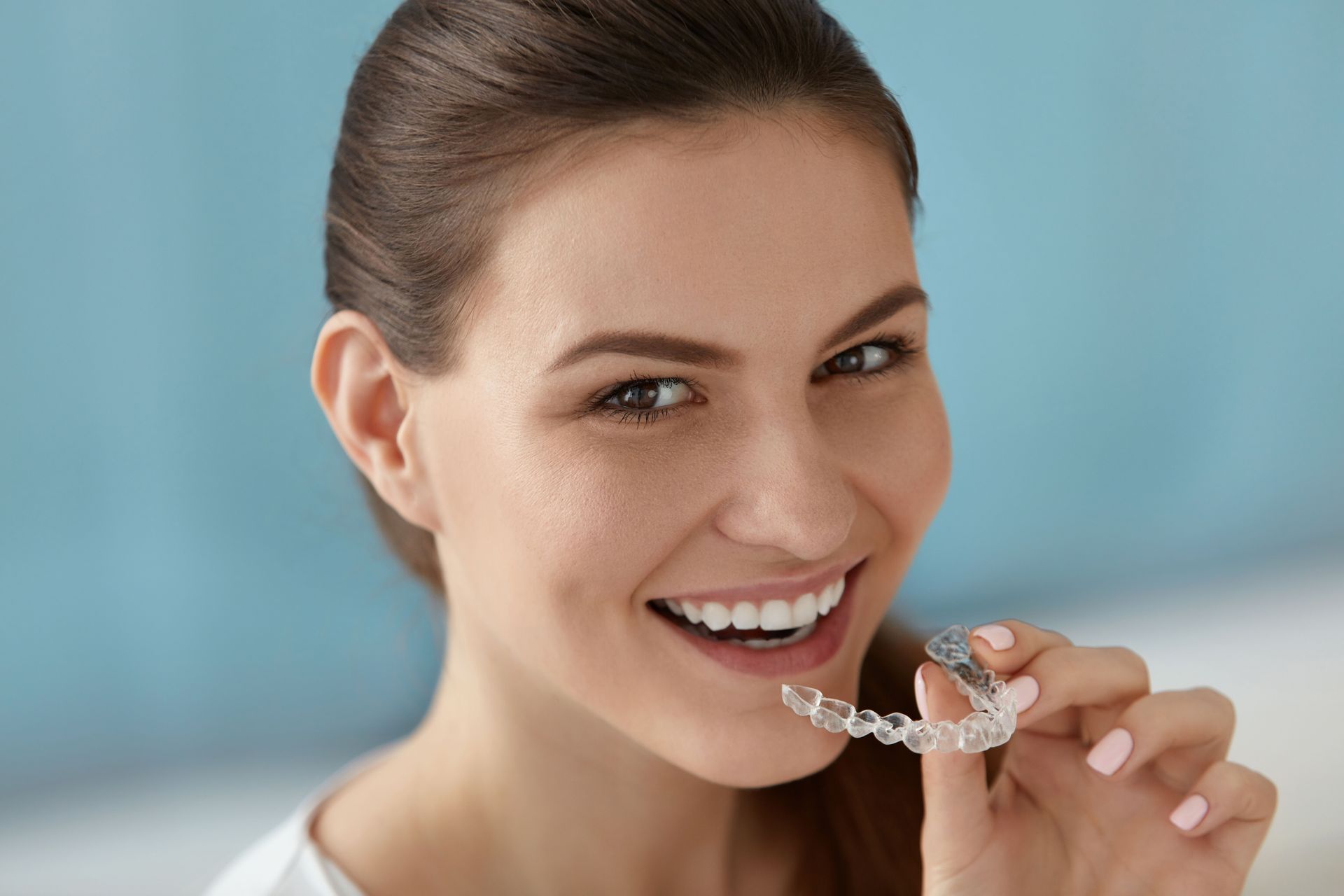
Clear aligners offer an alternative for patients who prefer a more discreet approach to orthodontic treatment. These removable, transparent trays fit over the teeth and apply gentle pressure to guide them into planned positions. Patients typically progress through a series of aligners, changing trays according to their provider's instructions as their teeth gradually move.
A major benefit of clear aligners is their flexibility. Patients can remove the trays when eating, drinking anything other than water, brushing, and flossing. This makes it easier to maintain familiar oral hygiene routines and enjoy a wider variety of foods without worrying about damaging brackets or wires. Clear aligners are also less noticeable than many traditional braces, which can appeal to adults and teenagers who want a subtle treatment option. A local dentist can determine whether your alignment concerns are suitable for removable trays.
Clear aligners do require consistent daily wear to achieve the intended results. Removing them too frequently or forgetting to put them back in can interfere with treatment progress. Patients must also clean their trays regularly and store them safely whenever they are removed. Although the trays are designed for comfort, some pressure or temporary soreness may occur when switching to a new set. Patients who can follow their prescribed wear schedule often find clear aligners convenient for balancing orthodontic treatment with work, school, and social activities.
Comparing Treatment Results, Comfort, and Daily Care
Which Option Offers Better Orthodontic Results?
Both braces and clear aligners can improve tooth alignment and bite function, but the best option depends on the complexity of the case. Braces provide continuous control over tooth movement and can be particularly useful when significant corrections or intricate adjustments are necessary. Clear aligners can effectively address many mild to moderate alignment issues, including spacing and certain bite problems, although some cases may require additional techniques or a different treatment approach.
Research supports the effectiveness of clear aligners for many patients. According to the National Library of Medicine, clear aligner treatment successfully corrected malocclusion in approximately 88% of the cases examined. Malocclusion refers to problems with how the upper and lower teeth fit together when the mouth closes. However, this finding does not mean that every patient will achieve the same outcome. Treatment success depends on individual dental conditions, the planned movements, and adherence to the prescribed treatment schedule.
The most appropriate treatment is the one that can address your specific dental concerns safely and predictably. Some patients may benefit from traditional braces because their teeth require more complex movement, while others may achieve their desired results with removable aligners. A local dentist can assess your teeth, evaluate your bite, and explain the expected benefits and limitations of each option. This personalized evaluation helps you make an informed decision rather than choosing a treatment based on appearance alone.
Comparing Comfort and Convenience
Comfort is another important consideration when deciding between braces and clear aligners. Traditional braces can cause temporary tenderness after placement or adjustment appointments. Brackets and wires may also irritate the cheeks and lips, especially during the initial stages of treatment. Orthodontic wax and appropriate aftercare can help reduce irritation while the mouth adjusts.
Clear aligners generally have smooth surfaces that reduce the likelihood of irritation from metal components. Nevertheless, patients may experience pressure when beginning a new tray because that pressure helps move the teeth. The removable design also makes eating and cleaning more convenient, but it introduces the responsibility of keeping track of the aligners and wearing them consistently. Patients who frequently misplace belongings or struggle with daily routines should consider whether they can maintain this commitment.
Your schedule and personal habits can help guide your choice. Braces may suit patients who prefer an appliance that stays in place, while aligners may be appealing to those who value flexibility and a less noticeable appearance. Neither option eliminates the need for regular appointments or good oral hygiene. Discussing your priorities with a local dentist can clarify which treatment is likely to fit your routine without compromising your results.
Understanding Treatment Time and Cost
Treatment duration varies according to the severity of misalignment, the complexity of the required tooth movements, and how consistently patients follow their treatment plans. Some clear aligner treatments can be completed within approximately a year, although more complicated cases may take longer. Braces may also require a year or more, depending on the corrections needed. Your provider can estimate a realistic timeline after examining your teeth and developing a treatment plan.
Cost is another factor worth discussing before treatment begins. The total price of either option can vary depending on treatment length, the type of appliance, appointment frequency, and the complexity of your case. Ceramic braces may cost more than standard metal braces, while clear aligner pricing depends on the treatment system and the extent of correction required. Insurance benefits and available financing options may help make either treatment more manageable.
When comparing prices, consider the full treatment plan rather than the initial fee alone. Ask what the quoted cost includes, whether retainers are covered, and how additional appointments or replacement appliances are handled. A local dentist can explain available payment arrangements, review relevant insurance paperwork, and help you understand the financial commitment before proceeding. This discussion allows you to weigh affordability alongside treatment effectiveness and convenience.
Braces and clear aligners each offer valuable benefits for correcting misaligned teeth and improving bite function. Traditional braces provide reliable control for a broad range of orthodontic concerns, while clear aligners offer a discreet, removable alternative for suitable cases. The right choice depends on your dental needs, lifestyle, treatment goals, and budget. Schedule a consultation with a local dentist at Madison Square Dentistry to compare your options and create a personalized plan for achieving a healthier, more balanced smile.

Share On: