Sensitivity to Cold vs. Heat: What Your Tooth Pain Is Trying to Tell You
By Dr. Thang Do | October 9, 2026
Feeling a sudden, sharp zinger when taking a bite of ice cream or sipping hot coffee is a clear warning sign from your mouth. While occasional minor discomfort may seem harmless, persistent thermal sensitivity often signals an underlying dental issue that requires professional care. Understanding the distinct differences between cold and heat sensitivity helps you identify potential problems early and seek the appropriate treatment.
Recognizing the Causes of Cold Sensitivity
Sensitivity to cold food and drinks is one of the most common reasons patients schedule a visit with a local dentist. This discomfort typically occurs when protective tooth enamel wears away, exposing the sensitive underlying layer of dentin. Microscopic tubules within the dentin lead directly to the tooth pulp and nerves, causing a sharp, rapid pain response when exposed to low temperatures. Common triggers include aggressive tooth brushing, acidic foods, naturally receding gums, or minor enamel chips. In many cases, early-stage cold sensitivity can be managed effectively with specialized desensitizing toothpastes or protective fluoride treatments applied during a routine exam.
Beyond surface enamel wear, micro-cracks in aging fillings or minor tooth fractures can also allow freezing temperatures to penetrate deep into the nerve chamber. When cold liquids hit these compromised areas, the sudden contraction of tooth material creates localized fluid movement inside the dentinal tubules, firing nerve pathways instantly. If left untreated, chronic exposure to cold stimuli can lead to continuous tissue irritation and progressive nerve inflammation. Consulting a dentist allows for early intervention, such as applying medical-grade dental sealants, custom night guards for teeth grinding, or restorative bonding over exposed root surfaces. Taking proactive steps to address minor cold sensitivity protects your natural tooth structure, restores daily eating comfort, and prevents simple enamel issues from escalating into complex dental problems down the road.
Identifying the Warnings Behind Heat Sensitivity
While cold discomfort is frequently tied to surface enamel wear, sensitivity to hot temperatures often points to a deeper structural issue. Pain triggered by hot soup, coffee, or tea tends to produce a lingering, dull ache that continues long after the stimulus is removed. This specific reaction typically indicates inflammation, deep decay, structural fractures, or nerve damage within the inner pulp of the tooth. When bacteria penetrate deep into the nerve chamber, heat causes gases inside the tooth to expand, placing intense pressure on surrounding nerve tissue. Ignoring heat discomfort can lead to severe infections, making prompt evaluation by a trusted dentist essential for preserving your natural tooth structure.
Unlike mild sensitivity that subsides seconds after swallow or touch, thermal reactions caused by heat signal that the vascular and nerve supply inside the tooth's root system is under active distress. As internal pressure builds within the rigid walls of the tooth structure, the surrounding ligament becomes inflamed, often making the tooth hypersensitive to biting pressure or light chewing as well. Additionally, thermal expansion can cause micro-fractures within compromised dentin to widen temporarily, allowing inflammatory toxins to reach deep structural tissues. A skilled local dentist can perform diagnostic vitality testing and digital imaging to determine whether the nerve is reversibly inflamed or requires gentle endodontic therapy.
Evaluating Enamel Erosion and Exposed Roots
Enamel serves as a durable shield that insulates internal tooth nerves from external temperature changes. Over time, factors such as chronic tooth grinding, acidic diets, gastric reflux, and improper brushing techniques can wear down this protective outer layer. Additionally, gum disease or aggressive flossing can cause gum tissue to recede, exposing vulnerable root surfaces that lack enamel coverage entirely. Exposed dentin reacts quickly to thermal shifts, making everyday meals uncomfortable. A consultation with a dentist allows for a comprehensive evaluation to pinpoint root exposure and apply bonding agents or varnishes to rebuild insulation.
Because root dentin contains thousands of microscopic channels leading directly to the tooth's central nerve, uninsulated root surfaces act like open conductors to thermal shifts. When hot or cold substances contact these areas, fluid movement within the dentinal tubules instantly triggers sharp nerve pain. Over time, unaddressed root exposure can lead to progressive sensitivity, localized gum inflammation, and accelerated structural wear along the gumline. A local dentist can evaluate the extent of recession using precise periodontal probing and digital imaging. Depending on the severity of exposure, treatment options range from in-office desensitizing treatments and protective fluoride varnishes to tooth-colored composite resin bonding that effectively seals exposed roots. Taking action early prevents further tissue loss, shields delicate nerve pathways, and restores long-term comfort during daily meals.
Repairing Structural Damage With Restorative Care
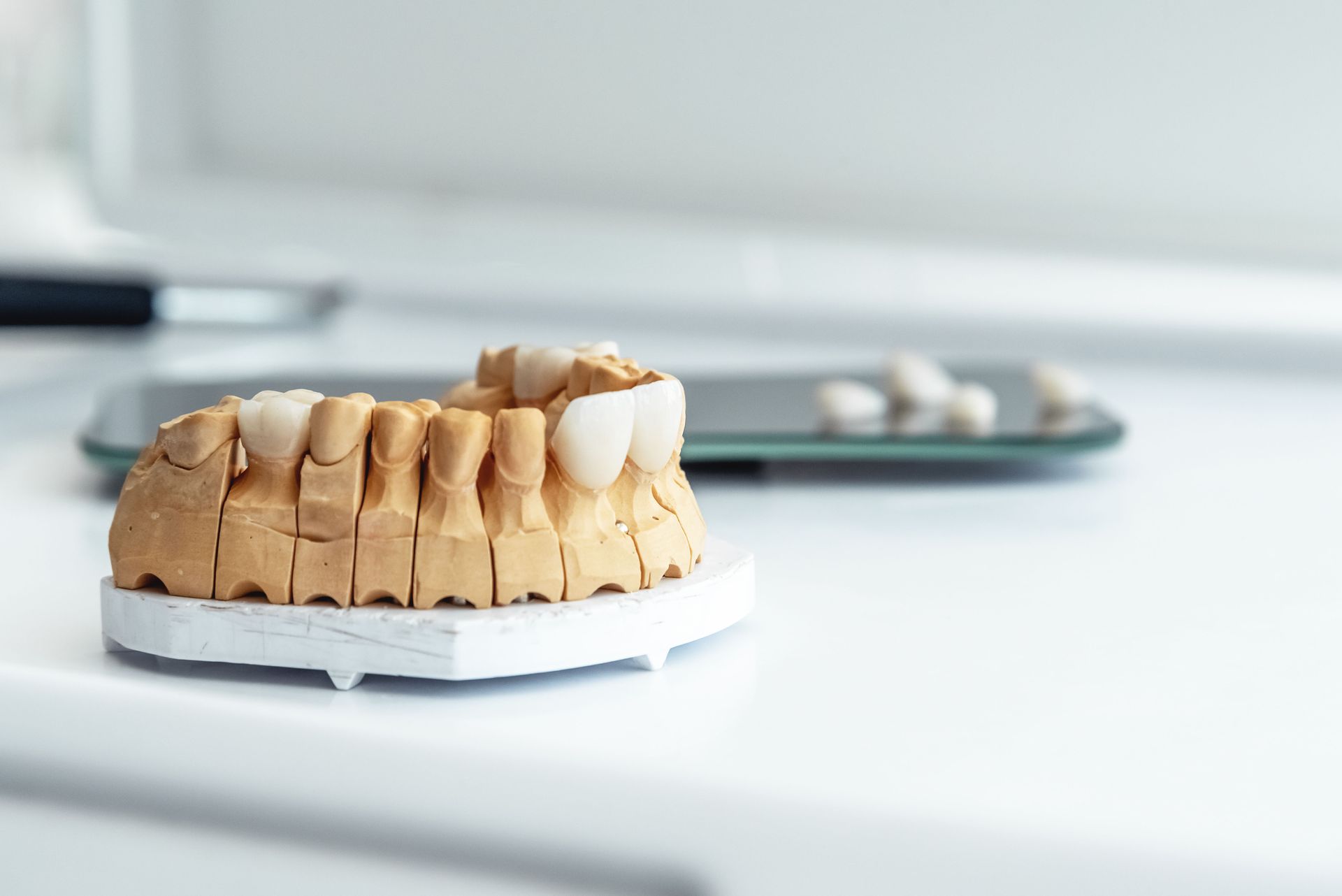
When tooth enamel develops cracks, deep cavities, or failing older fillings, temperature changes can easily reach sensitive nerve pathways. Broken or compromised tooth structures allow hot and cold liquids to seep deep inside the tooth body, triggering sharp discomfort upon contact. Restorative dental treatments, such as custom tooth-colored fillings or protective crowns, seal off these exposed internal pathways to restore full structural integrity and eliminate pain. According to Fortune Business Insights, the global dental crowns market size was valued at USD 3.37 billion in 2025. Seeking timely restorative treatment from a local dentist prevents minor cracks from expanding into severe fractures that require extensive procedures.
Addressing structural damage early is essential because structural defects in enamel do not repair themselves over time. As daily chewing pressure places continuous mechanical stress on compromised teeth, hairline fractures can quickly widen, allowing harmful oral bacteria to invade internal dentin layers. Over time, this bacterial infiltration can cause deep-seated decay, structural breakdown, and eventual nerve involvement that requires far more invasive care. A skilled dentist can utilize digital intraoral imaging and specialized transillumination techniques to detect subtle micro-cracks before they turn into full structural breaks. Prompt restorative intervention effectively stops thermal sensitivity at the source, preserves your natural tooth structure, and ensures long-term chewing function for a healthy, confident smile.
Addressing Deep Nerve Inflammation and Infections
If temperature sensitivity evolves from a brief flash of discomfort into a throbbing, prolonged ache, internal nerve inflammation is likely present. Deep decay or sudden trauma can compromise the living tissue inside the pulp chamber, leading to persistent discomfort when consuming warm or cold items. In advanced stages, nerve tissue may begin to deteriorate, creating localized pressure and localized infection at the base of the root. Professional treatments like gentle endodontic root canal therapy remove infected pulp tissue while preserving the healthy outer structure of your natural tooth. Scheduling an assessment with a local dentist ensures that internal infections are treated thoroughly before they spread to surrounding jawbone tissue.
Preventing Future Sensitivity Through Proactive Care
Maintaining strong enamel and healthy gum tissue is the best long-term strategy for preventing uncomfortable temperature sensitivity. Adopting a consistent oral hygiene routine that includes soft-bristled toothbrushes, gentle circular brushing motions, and non-abrasive fluoride toothpaste shields vulnerable root surfaces. Wearing a custom night guard protects against enamel wear caused by nighttime clenching, while limiting highly acidic beverages helps preserve natural tooth structure. Regular professional cleanings and examinations allow your care team to detect early enamel thinning, gum recession, or minor cavities long before they cause significant pain. Partnering with an experienced local dentist ensures your smile remains comfortable, functional, and fully protected against thermal discomfort.
Understanding what your tooth discomfort means is the first step toward restoring a healthy, pain-free smile. Whether you need routine cleanings, protective crowns, gentle fillings, or comprehensive exams, professional dental care protects your oral health. Schedule your comprehensive consultation today with the dedicated team at Madison Square Dentistry.


Share On: